
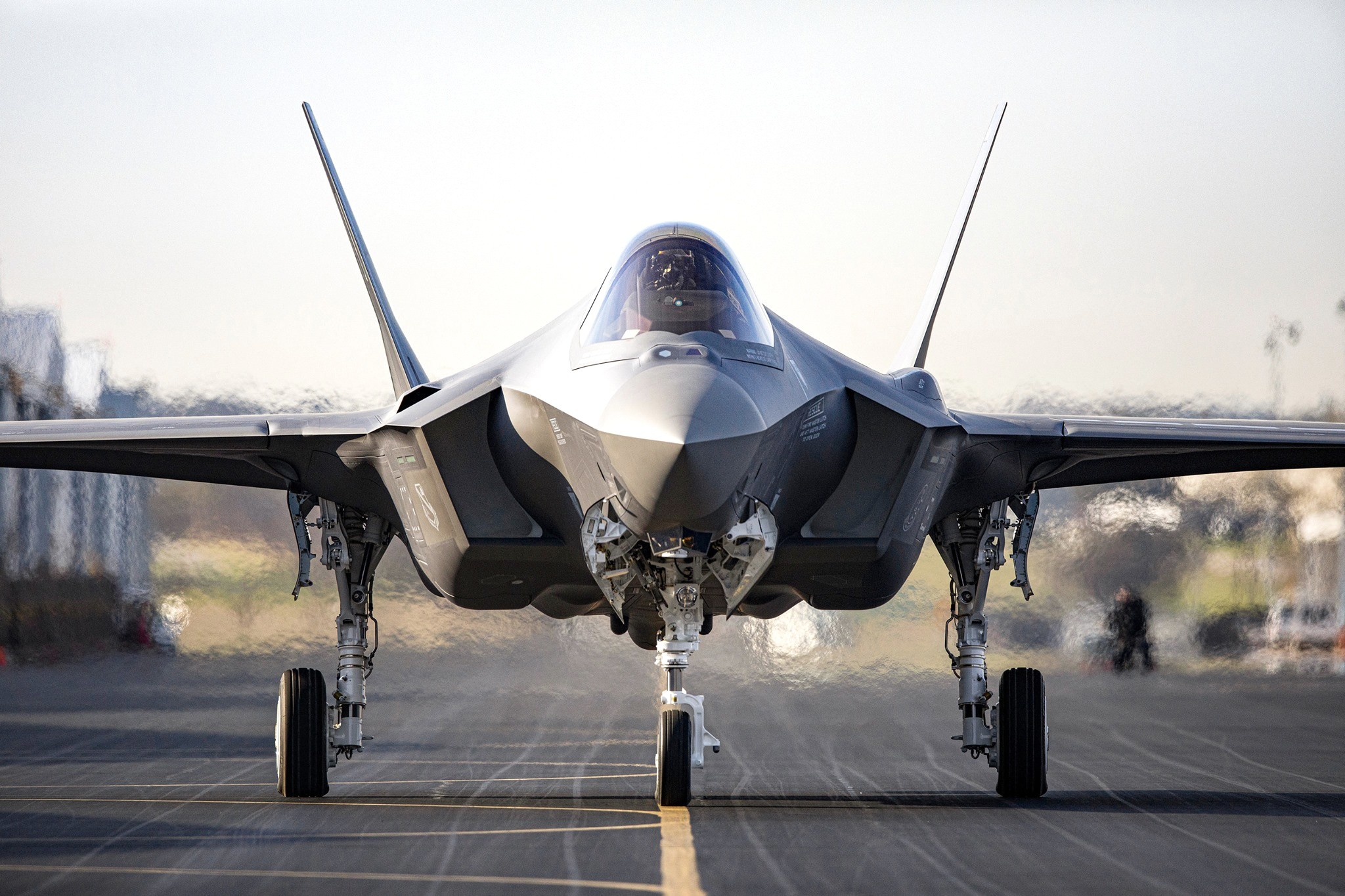
According to a written statement released by the Pentagon, a significant new step has been taken in cooperation with Lockheed Martin, the manufacturer of the F-35 fighter jets. A framework agreement was reached with the company for the production and maintenance of the "F-35 Lightning II" model fighter jets.
Aimed at stabilizing procurement processes and increasing fleet readiness rates, the agreement requires multi-year formal authorization and budget approval before transitioning into an official contract.
The framework agreement also encompasses international customer orders covering production lots 21 through 30 (Lots 21–30). Lockheed Martin targets an annual production rate of 156 aircraft for U.S. and international customers.
Combining aircraft manufacturing with the procurement of spare parts and modernization kits will provide suppliers with long-term demand predictability. Lockheed Martin noted that this environment of confidence will support the investments required for capacity expansion, efficiency, and a more resilient supply chain.
In his assessment of the development, Lockheed Martin Chairman, President, and CEO Jim Taiclet stated, "Thanks to this high degree of predictability stemming from the U.S. government’s transformative approach to F-35 production and sustainment processes, we can make the necessary upfront investments to expand capacity, drive efficiency, and build a more resilient supply chain."
Taiclet emphasized that this step is a major win for taxpayers, suppliers, and most importantly, the U.S. and its allies.
Pricing and schedule not yet finalized
The current framework agreement covers the aircraft along with initial spare parts, 10-year modernization kits, and sustainment services. Subject to the approval of multi-year authorizations and appropriations in the coming months, the F-35 Joint Program Office (JPO) and Lockheed Martin will finalize contract terms, final pricing, and the delivery schedule.
While the company anticipates that long-term pricing and volume discounts will generate billions of dollars in savings throughout the F-35's life cycle, the announcement did not disclose a net contract value or detailed savings projections.
Critical threshold: Logistics and fleet readiness
The proposed structure builds upon the company’s existing contributions to the global spare parts pool and incorporates industrial capacity and logistics investments. Integrated analytic systems will directly link expenditures to operational outcomes by tracking parts inventories and readiness metrics.
According to company data, more than 1,375 F-35s are currently in active service worldwide, with the fleet having surpassed 1 million cumulative flight hours. The aircraft operate from a total of 42 different bases, including within the sovereign territory of 13 nations. The program is expected to support 317,000 jobs in the U.S. and generate approximately $79 billion in annual economic activity over the next decade.